
Summary
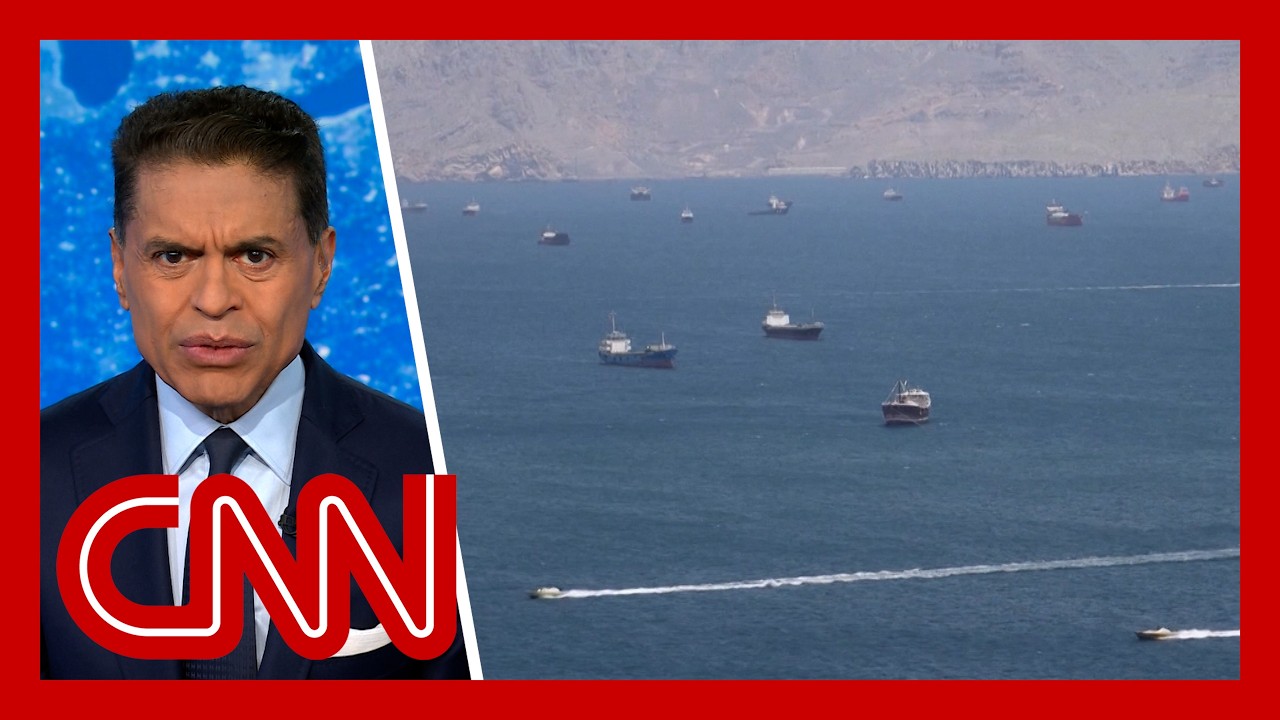
President **Donald Trump** has informed Congress that he does not require their authorization for ongoing military operations in **Iran**, asserting that a ceasefire, which began on April 7, 2026, has effectively terminated hostilities. In letters to congressional leaders, Trump stated that the conflict, which officially commenced on February 28, 2026, and was notified to Congress on March 2, 2026, has ceased, thus negating the need for further congressional engagement under the [[war-powers-resolution|War Powers Act]]. He further declared his belief that seeking such authorization is "unconstitutional," a stance that challenges decades of precedent and the established balance of power between the executive and legislative branches regarding the initiation and continuation of military engagements. Despite the president's claims, [[iran|Iran]] has continued to block traffic in the [[strait-of-hormuz|Strait of Hormuz]], and the U.S. maintains a naval blockade of Iranian ports, raising questions about the true cessation of hostilities and the administration's interpretation of the law.
Key Takeaways
- President Trump has declared the [[war-powers-resolution|War Powers Act]] unconstitutional and unnecessary for ongoing operations in [[iran|Iran]] due to a declared ceasefire.
- The administration notified Congress of military strikes on March 2, 2026, initiating the 60-day clock under the Act.
- Despite the ceasefire declaration, Iran continues to block the [[strait-of-hormuz|Strait of Hormuz]], and the U.S. maintains a naval blockade of Iranian ports.
- Trump's stance challenges decades of precedent regarding congressional oversight of military engagements.
- The legal and constitutional implications of this assertion are significant for the separation of powers in the U.S.
Balanced Perspective
President Trump's letters to Congress mark a significant challenge to the [[war-powers-resolution|War Powers Act of 1973]], which mandates presidential consultation and potential authorization for military actions exceeding 60 days. The administration's notification on March 2, 2026, set this clock, and Trump's assertion that the April 7, 2026, ceasefire effectively ends the conflict, despite ongoing blockades and naval actions, is a novel interpretation of the law. The legal and constitutional implications of this stance are substantial, potentially setting a new precedent for executive authority in military affairs.
Optimistic View
This move signals a decisive executive leadership, capable of de-escalating conflict and achieving strategic objectives without being bogged down by legislative processes. By framing the situation as a terminated conflict, Trump is asserting a pragmatic approach to foreign policy, focusing on the de facto reality of a ceasefire rather than procedural formalities. This could allow for more agile responses to evolving geopolitical situations, ensuring national security interests are protected swiftly and effectively.
Critical View
This unilateral declaration represents a dangerous erosion of [[congressional-oversight|congressional oversight]] and a blatant disregard for the [[war-powers-resolution|War Powers Act]]. By claiming the conflict is over due to a ceasefire while simultaneously maintaining military blockades and acknowledging ongoing threats from Iran, Trump is creating a legal fiction to bypass constitutional checks and balances. This sets a perilous precedent, potentially empowering future presidents to engage in prolonged military actions without legislative consent, thereby undermining democratic accountability and increasing the risk of unchecked executive adventurism.
Source
Originally reported by NBC News